DHS Proposes Ending H-1B Deference Rule, Impacting Visa Renewals
TL;DR
- The Department of Homeland Security proposed removing mandatory deference for Form I-129 extensions.
- If finalized, USCIS officers would evaluate each extension application afresh without presuming prior approvals were correct.
- Indians account for about 70 percent of H-1B beneficiaries and rely on successive extensions while navigating green card backlogs.
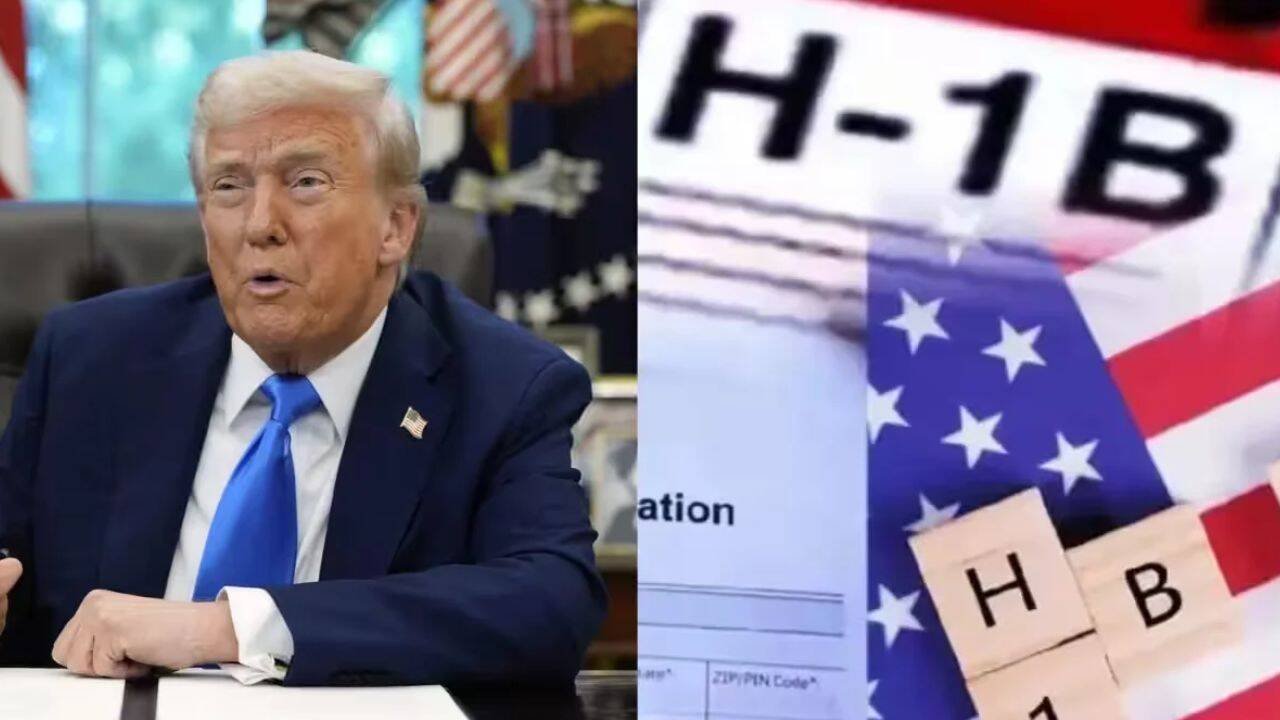
The Department of Homeland Security has proposed ending the regulation that requires U.S. Citizenship and Immigration Services to rely on prior eligibility decisions when reviewing covered Form I-129 extensions. Published as a proposal rather than a final rule, the change would remove the requirement for officers to defer to earlier determinations when the same parties and facts are involved.
The proposal covers H-1B, L-1, O-1, TN, E, and P petitions, alongside H-2B classifications. Under the current standard, USCIS officers must defer to past approvals unless there is a material error, a material change in circumstances, or new harmful information. If finalized, officers could consider earlier approvals but would not start from the presumption that they were correct, requiring a new eligibility determination for each extension.
The agency estimates the current policy applies to roughly 208,429 petitions annually and projects about 6,044 additional Requests for Evidence each year if the requirement is removed. DHS argues that the current approach shifts the burden of proof from employers to adjudicators, whereas the proposed revision aims to strengthen program integrity and encourage independent reviews.
Immigration attorneys and professionals noted that the change could make successive extensions more uncertain for workers who depend on them. Because Indians comprise a significant majority of H-1B beneficiaries, any shift in how extensions are adjudicated directly impacts those awaiting employment-based permanent residency through multiple renewals.
Why It Matters
Indians account for approximately 70 percent of all H-1B beneficiaries and frequently rely on successive visa extensions while navigating decades-long green card backlogs. Removing mandatory deference means that every renewal for Indian professionals could be treated as a fresh trial of eligibility, bringing specialty occupation determinations, wage levels, and employer relationships back under review and introducing greater uncertainty into the long wait for permanent residency.
Oct 29, 2026 · Updated 10/29/2026, 5:26:17 PM · Reported with: VisaVerge, Times of India
Sources (2)
NRI Bytes writes its own articles from the reporting below.
VisaVerge — Trump Moves to End H-1B Visa Deference Regulation for Form I-129 PetitionsTimes of India — Trump moves to end H-1B visa deference: What it means for IndiansUp next · Immigration
Trump administration set to deport Afghan refugees to Pakistan — endangering their lives, critics say
Read next →