Understanding Stroke Symptoms and the Critical Importance of Rapid Medical Response
TL;DR
- Strokes are medical emergencies where every minute of delay increases the risk of permanent brain damage.
- The FAST acronym helps identify common symptoms: facial drooping, arm weakness, and slurred speech.
- Immediate emergency care is necessary, as specific treatments like clot-dissolving medications have strict time windows.
- Recognizing symptoms early and seeking professional help can significantly improve recovery outcomes.
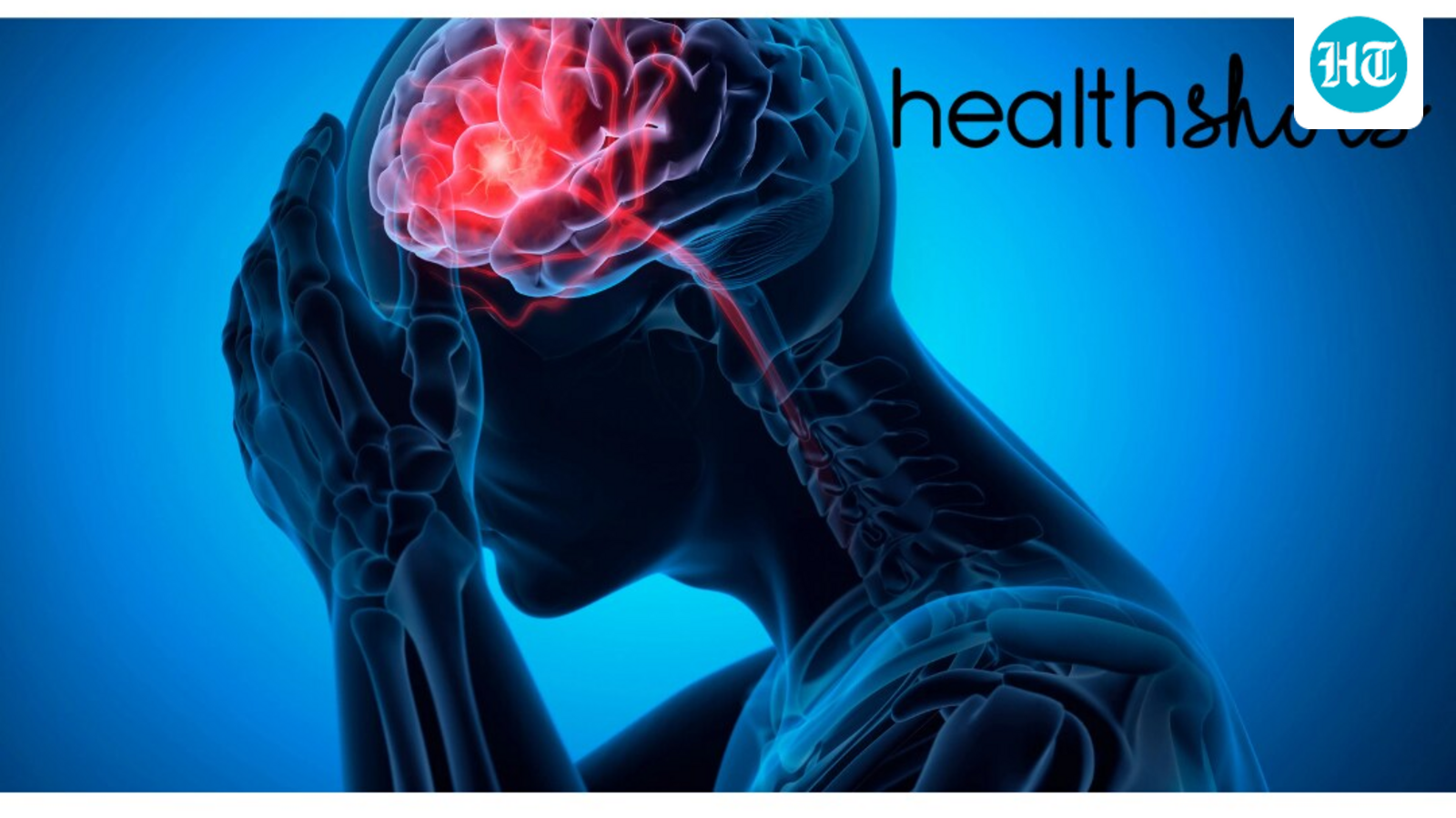
A stroke occurs when blood flow to the brain is interrupted, causing brain cells to malfunction and die due to a lack of oxygen and nutrients. Neurologists emphasize that because the brain relies on a continuous supply of these resources, any delay in medical intervention increases the likelihood of permanent disability or death.
Medical experts categorize strokes into two main types: ischaemic, caused by clots, and hemorrhagic, caused by ruptured blood vessels. Because treatment methods differ significantly for each, urgent brain imaging and professional assessment are required to determine the appropriate course of action.
The FAST approach serves as a guide for identifying common stroke indicators: facial drooping, arm weakness, and speech difficulties. If these signs appear, individuals should contact emergency services immediately rather than waiting for symptoms to resolve or attempting home remedies.
Modern medical interventions, such as clot-dissolving drugs or mechanical clot removal, are most effective when administered within specific timeframes. However, clinicians advise that patients should seek care regardless of how much time has passed, as urgent assessment remains critical for all stroke victims.
Why It Matters
For the Indian-American community, understanding the signs of a stroke is vital for ensuring timely intervention for themselves and their families. As stroke recovery and long-term health outcomes are heavily dependent on how quickly a patient reaches a specialized medical facility, awareness of these symptoms can be life-saving.
Oct 30, 2026 · Updated 10/30/2026, 3:25:22 PM · Reported with: Hindustan Times Health
Sources (1)
NRI Bytes writes its own articles from the reporting below.
Hindustan Times Health — Every second counts: A neurologist explains how a quick response to stroke can save lives and preserve brain functionUp next · Health
Female hospital doctors linked to better outcomes for patients, study says
Read next →
More stories

19+ products we tried and gave our stamp of approval in October

Expert witness defends 'advocacy' in youth-led climate trial

Your dandruff shampoo might help with breakouts, but there’s a catch