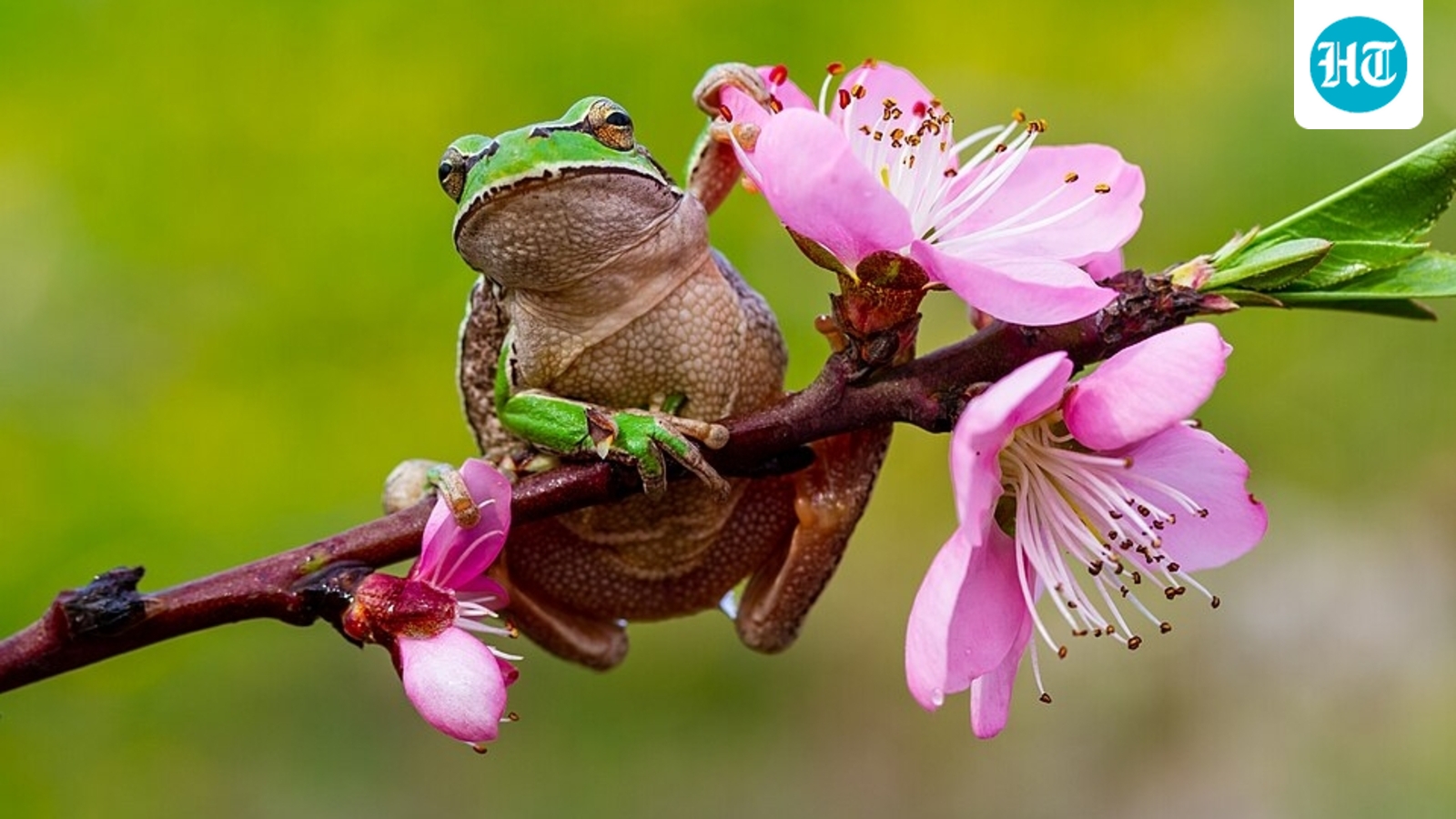
Chernobyl Tree Frogs Near Radiation Sites Display Darker Skin
TL;DR
- Eastern tree frogs near the Chernobyl exclusion zone exhibit significantly darker skin.
- Melanin may have helped protect past generations from radiation-related cell damage.
- Recent studies found no severe chronic damage or direct ties to current radiation doses.
Nearly four decades after the nuclear disaster in Ukraine, scientists continue to study local wildlife to understand how animals respond to contaminated environments. Researchers discovered that Eastern male tree frogs living closest to the highest radiation zones possess skin that is significantly darker than that of frogs found in uncontaminated areas.
Experts point to melanin, the pigment responsible for dark coloration, as a potential protective factor against ionizing radiation. Because melanin acts as an antioxidant and can absorb radiation, it may have helped shield organisms from harmful free radicals generated during the disaster and its aftermath.
Subsequent studies examining frog livers and biological measures such as telomere length and stress hormones found no evidence of severe chronic damage from current radiation levels. While the findings point toward an evolutionary adaptation driven by past exposure, researchers note that additional study is necessary to fully understand the long-term biological impacts.
Why It Matters
This research provides insights into how wildlife adapts to long-term environmental contamination following major industrial nuclear accidents, illustrating the potential role of evolutionary pressures in shaping physical traits over generations.
Oct 31, 2026 · Updated 10/31/2026, 7:01:33 AM · Reported with: Hindustan Times World
Sources (1)
NRI Bytes writes its own articles from the reporting below.
Hindustan Times World — Chernobyl tree frogs near sites hit hardest by radiation in 1986 had darker skin; researchers say past exposure may help explain the patternUp next · World
Record Early Voting Numbers Reported Ahead of US Midterm Elections
Read next →