South Korean Lawmaker’s U.S. Visa Rejected Ahead of Defense Delegation Visit
TL;DR
- Jin Sung‑joon’s visa denied before planned trip to U.S. Pacific Command
- Delegation of four lawmakers from South Korea was disrupted
- South Korean foreign ministry says application process may still be open
- Jin’s past conviction cited as possible reason for denial
- Officials plan to raise issue with U.S. officials
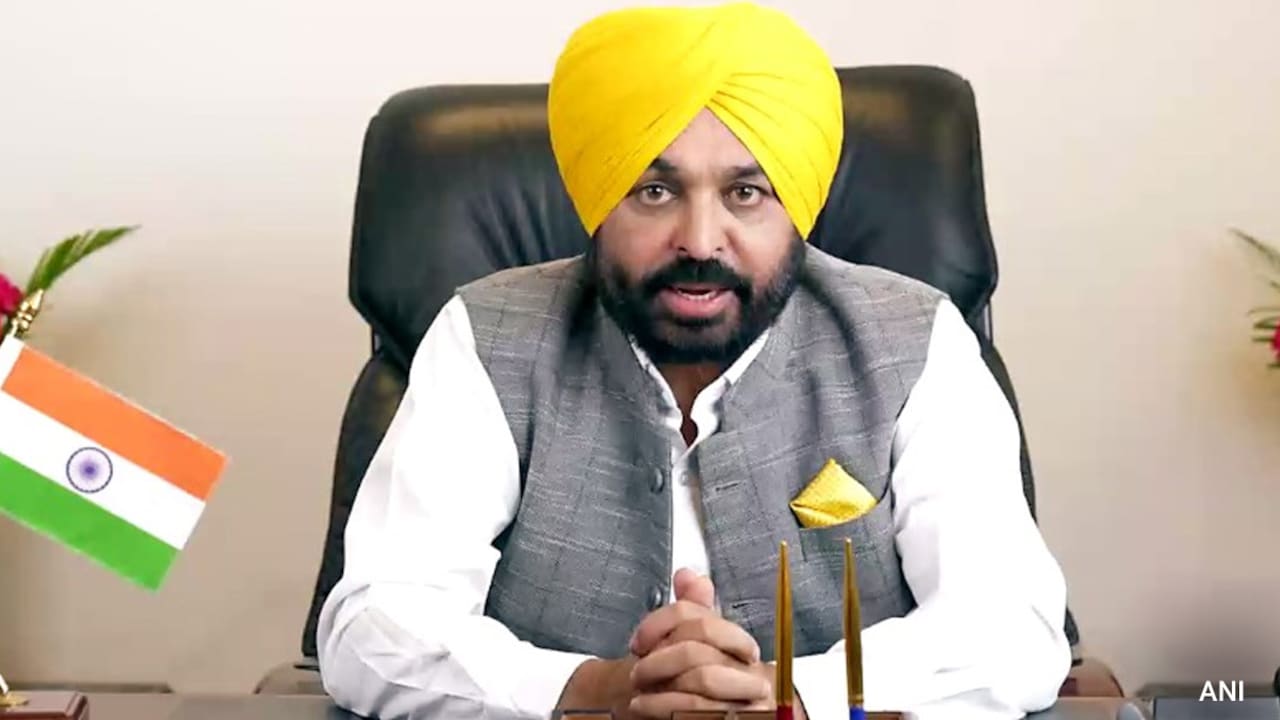
South Korean National Assembly member Jin Sung‑joon announced that his U.S. visa application was rejected before a planned trip to the U.S. Pacific Command in Hawaii. The denial disrupted a bipartisan delegation scheduled to visit from November 1‑5. Jin, who chairs the National Assembly’s National Defense Committee, had planned to lead a four‑member group that included vice chairs from the Democratic Party, People Power Party and Reform Party. The delegation’s agenda was to discuss the alliance and bilateral security cooperation, and meetings with senior U.S. military leaders had been scheduled. Jin said he had submitted his application on October 12 and that the U.S. Department of State had not publicly addressed the decision, noting that visa determinations are made on a case‑by‑case basis. The South Korean foreign ministry said it was consulting with U.S. officials and that the application process may still be underway, but it could not confirm details of individual visa applications. The refusal was reported to have no publicly stated case‑specific reason. Jin’s past conviction in 1991 for violating South Korea’s National Security Act has drawn attention. U.S. authorities requested documents about that conviction, and Jin said he plans to provide English translations of court rulings. He stated that his application remains a separate matter from the wider diplomatic debate. The denial follows a similar visa delay involving former Democratic Party chairman Jung Chung‑rae, whose application remained under review before a planned audit of South Korean diplomatic missions in the Americas. South Korean officials, including Foreign Minister Cho Hyun, have raised concerns with the U.S. ambassador and plan to discuss the issue with U.S. Secretary of State Marco Rubio during an upcoming visit. The matter has sparked debate among lawmakers about whether it constitutes censorship of official legislative activities and whether a protest is warranted.
Why It Matters
The denial of a visa to a senior South Korean lawmaker who was to lead a parliamentary delegation to the U.S. Pacific Command highlights the sensitivity of diplomatic and security engagements between South Korea and the United States. It underscores how individual travel restrictions can impact official legislative activities and bilateral security cooperation, a key concern for Indian‑American readers interested in Indo‑US‑Korea relations and regional stability.
Oct 29, 2026 · Updated 10/29/2026, 11:03:19 PM · Reported with: VisaVerge
Sources (1)
NRI Bytes writes its own articles from the reporting below.
VisaVerge — U.S. Pacific Command Visa Rejection Hits Jin Sung-Joon in Second Senior Lawmaker DenialUp next · Immigration
9th Circuit Halts Reopening of Diversity Visa Lottery for 2027
Read next →