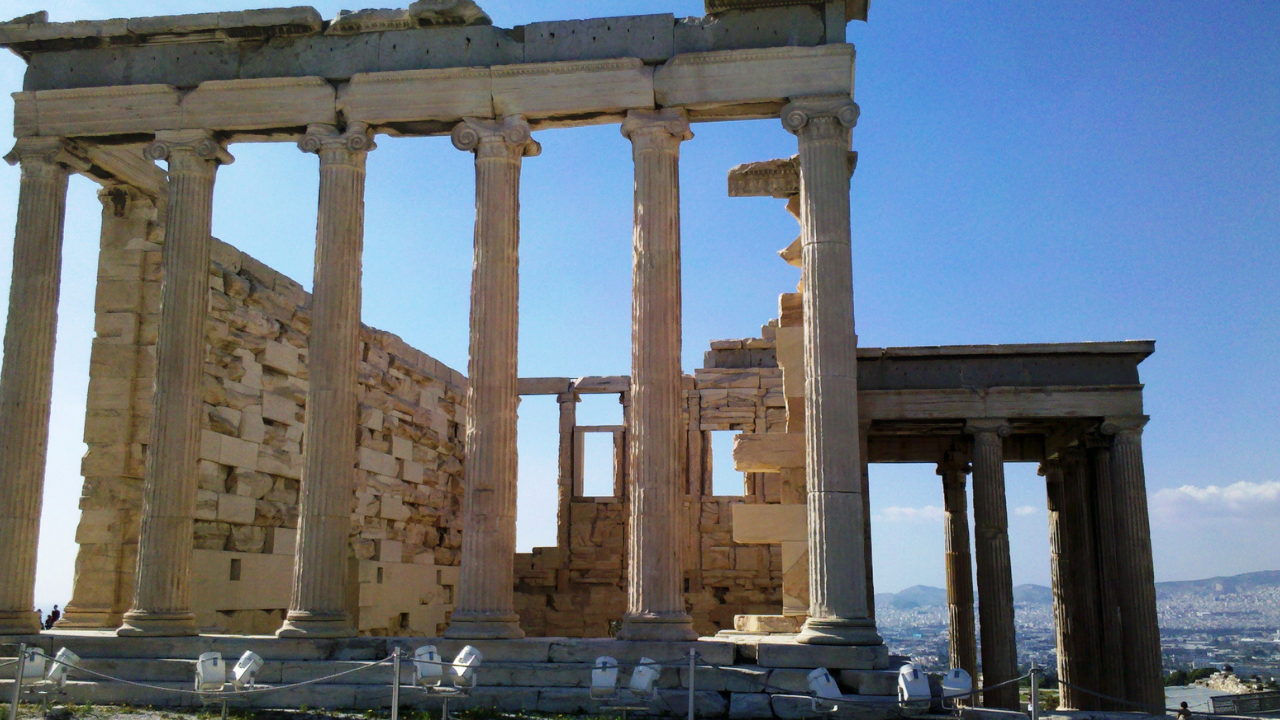
Chilean Family Heirloom Identified as Ancient Greek Temple Fragment
TL;DR
- A marble fragment kept in a Chilean home for decades was misidentified as a Parthenon relic.
- Experts determined the piece originated from the Hekatompedon temple, dating back to 570 BCE.
- The artifact was collected in 1930 by an Italian engineer who later moved to Chile.
- The owner contacted the Greek Embassy after hearing reports about the repatriation of cultural artifacts.
A small piece of carved marble, weighing approximately 2.6 pounds, sat on a dining room shelf in Chile for generations. The family long believed the object was a souvenir taken from the Parthenon in Athens during the 1930s.
The artifact was originally acquired by Gaetano Tosti-Croce, an Italian submarine engineer who visited Greece while serving in the Italian Navy. Following his time as a prisoner of war in India during World War II, he relocated to Chile, bringing the stone with him.
The true origin of the piece was revealed after the owner, Enrico Tosti-Croce, reached out to the Greek Embassy in 2025. Following an investigation, the Greek Archaeological Service determined the fragment was likely part of a roof gutter from the Hekatompedon.
Constructed around 570 BCE, the Hekatompedon predates the Parthenon by more than a century. The marble fragment, which features a lotus flower carving, is now recognized as a significant piece of the Acropolis's oldest monumental temple.
Why It Matters
This discovery highlights the global reach of historical artifacts and the growing international focus on the repatriation of cultural heritage. It serves as a reminder of how private family heirlooms can hold significant archaeological value, potentially reshaping our understanding of ancient architectural history.
Oct 31, 2026 · Updated 10/31/2026, 6:14:06 AM · Reported with: Times of India Travel
Sources (1)
NRI Bytes writes its own articles from the reporting below.
Times of India Travel — Chilean family kept a 2.6-pound marble souvenir from Athens on a dining room shelf for decades; later it was found it belonged to a temple more than 100 years older than the ParthenonUp next · Travel
Goa Police and Tourism Board Enhance Safety Ahead of Peak Season
Read next →