Connecticut Volunteers Restore Shrunken Eelgrass Using Clam Shells
TL;DR
- Eelgrass in Connecticut's Long Island Sound has experienced a 90% reduction.
- Volunteers are attaching eelgrass seeds to clam shells to help them plant.
- The innovative method is designed to improve growth rates and seabed embedding.
- Initial results indicate increased eelgrass coverage, though long-term resilience remains a concern.
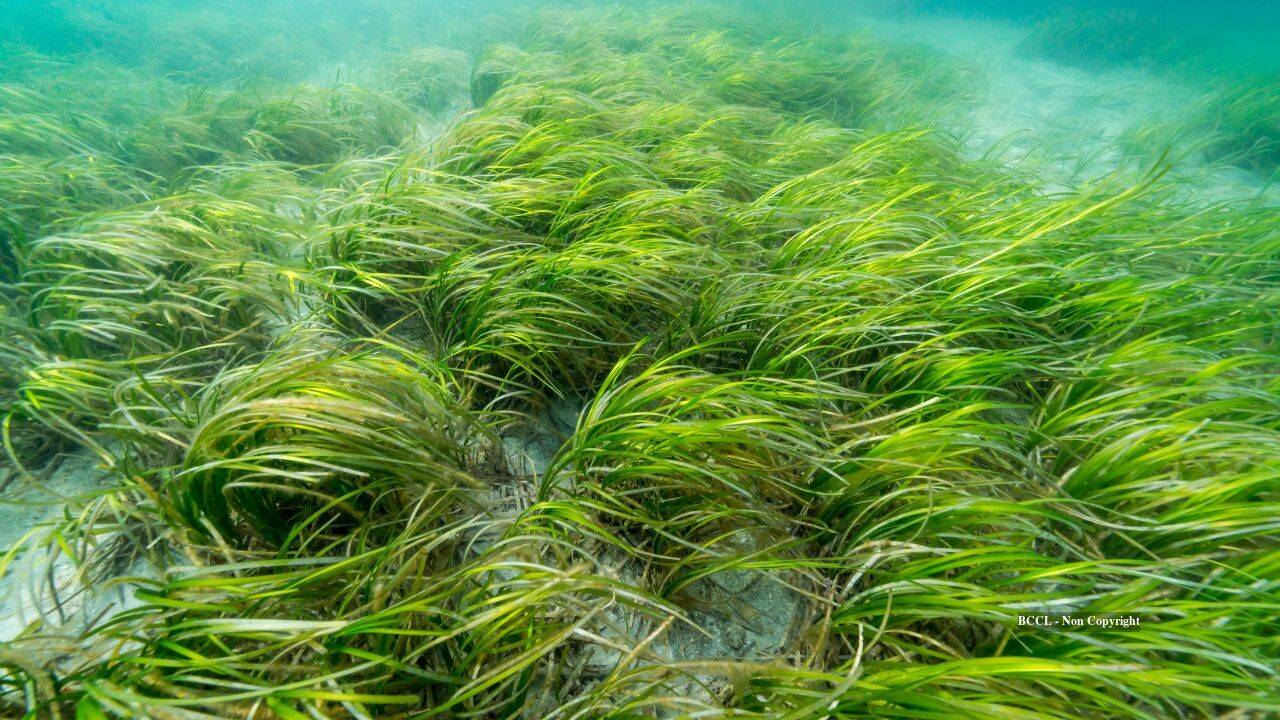
Volunteers in Connecticut have turned to an innovative approach to help restore the eelgrass meadows of Long Island Sound, where populations have diminished by 90%.
Participants in the project are attaching eelgrass seeds directly to clam shells to assist the seeds in embedding into the seabed.
According to reports, this technique has led to improved growth rates and higher eelgrass coverage in early trials.
Despite the positive initial results, experts and participants still have ongoing concerns regarding the long-term resilience of the restored meadows.
Why It Matters
This community-driven environmental restoration strategy demonstrates a creative, nature-based approach to combating severe habitat loss in coastal ecosystems, highlighting how local volunteer efforts can address ecological declines.
Oct 31, 2026 · Updated 10/31/2026, 9:47:53 AM · Reported with: Times of India
Sources (1)
NRI Bytes writes its own articles from the reporting below.
Times of India — Connecticut's eelgrass shrank 90%; volunteers now plant seeds on clamsUp next · Community
Tiruchi Police Increase Security Measures for Deepavali Shopping Season
Read next →