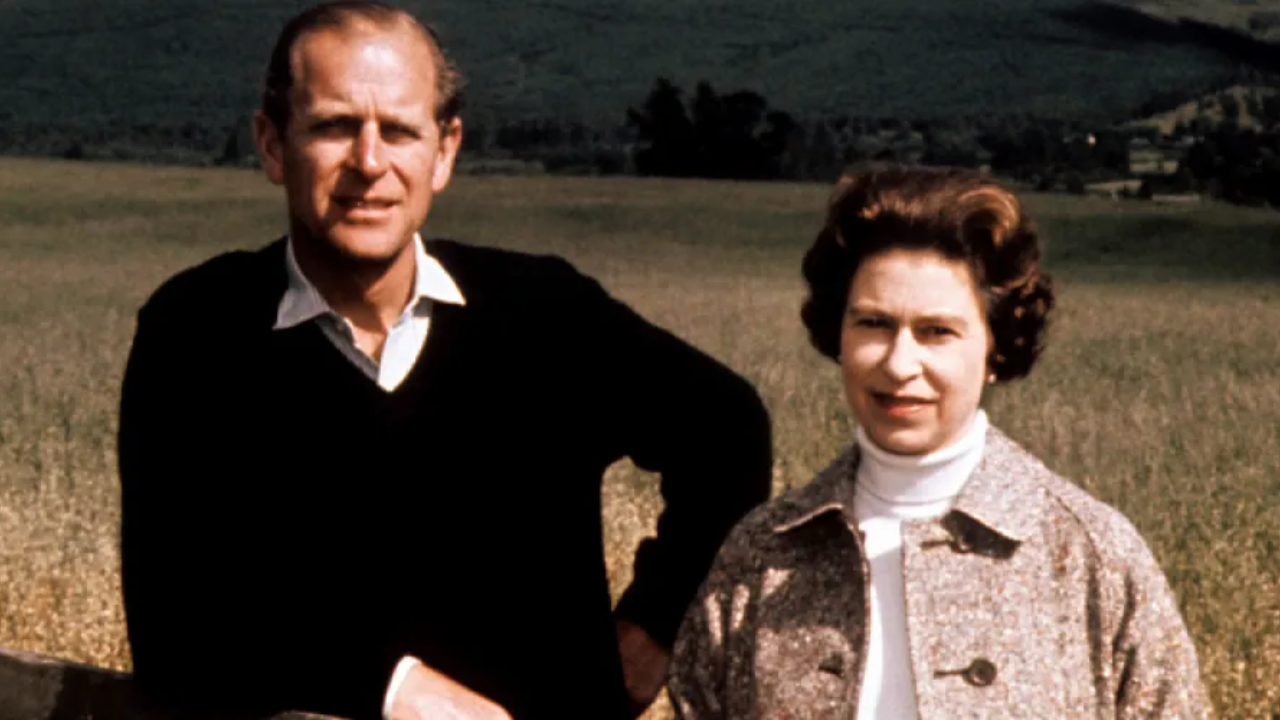
Royal Sandringham estate expands wildlife habitats under Prince Philip and King Charles
TL;DR
- Over 5,000 trees planted each year at Sandringham
- Ten new wetland areas created for wildlife
- 100 miles of field‑margin strips support biodiversity
- Prince Philip introduced conservation measures in 1952
- King Charles III continued the program after 2017
Sandringham, the Norfolk country estate linked to the British royal family, manages its land with a focus on wildlife and long‑term conservation, planting more than 5,000 trees annually and adding several miles of new hedges.
Prince Philip, who began overseeing the estate in 1952, introduced field‑margin strips totaling over 100 miles to provide shelter and nesting sites for ground‑nesting birds and other species.
The estate has also created ten wetland areas that support a range of plants, insects and birds, diversifying habitats across its farmland, woodland and gardens.
Waste recycling of food, glass, metal, plastic, cardboard and paper is integrated into daily operations, linking resource management with environmental goals.
King Charles III assumed responsibility for Sandringham in 2017 and has continued the conservation principles established by Prince Philip.
Why It Matters
The estate’s long‑term conservation work illustrates how historic private lands can balance agriculture with biodiversity, offering a model for sustainable land management that may interest Indian diaspora communities involved in farming or environmental initiatives in the US, Canada and India.
Oct 31, 2026 · Updated 10/31/2026, 9:31:29 AM · Reported with: Times of India World
Sources (1)
NRI Bytes writes its own articles from the reporting below.
Times of India World — Inside Queen Elizabeth’s Sandringham estate and its wildlife conservation driveUp next · World
Evacuees from Oleshky Reach Ukrainian Territory Under Rare Ceasefire
Read next →