Seasonal Shift: Indian Festivals Drive Vegetable and Sweet Changes
TL;DR
- Ganesh Chaturthi markets feature monsoon produce
- Durga Puja and Deepavali shift to autumn veggies
- Cauliflower, methi, cabbage become staples
- Beans replace bhindi, pumpkin replaces gourd
- Laddoos return with ghee
- Marigolds add festive décor
The transition from Ganesh Chaturthi to Durga Puja and Deepavali is marked by a shift in market offerings, moving from monsoon produce to autumn and early‑winter vegetables.
Cauliflower, methi and cabbage become common in meals, while bhindi is replaced by beans and ash gourd gives way to yellow pumpkin.
Fresh green peas take centre stage as dry legumes recede, and marigolds brighten festive décor.
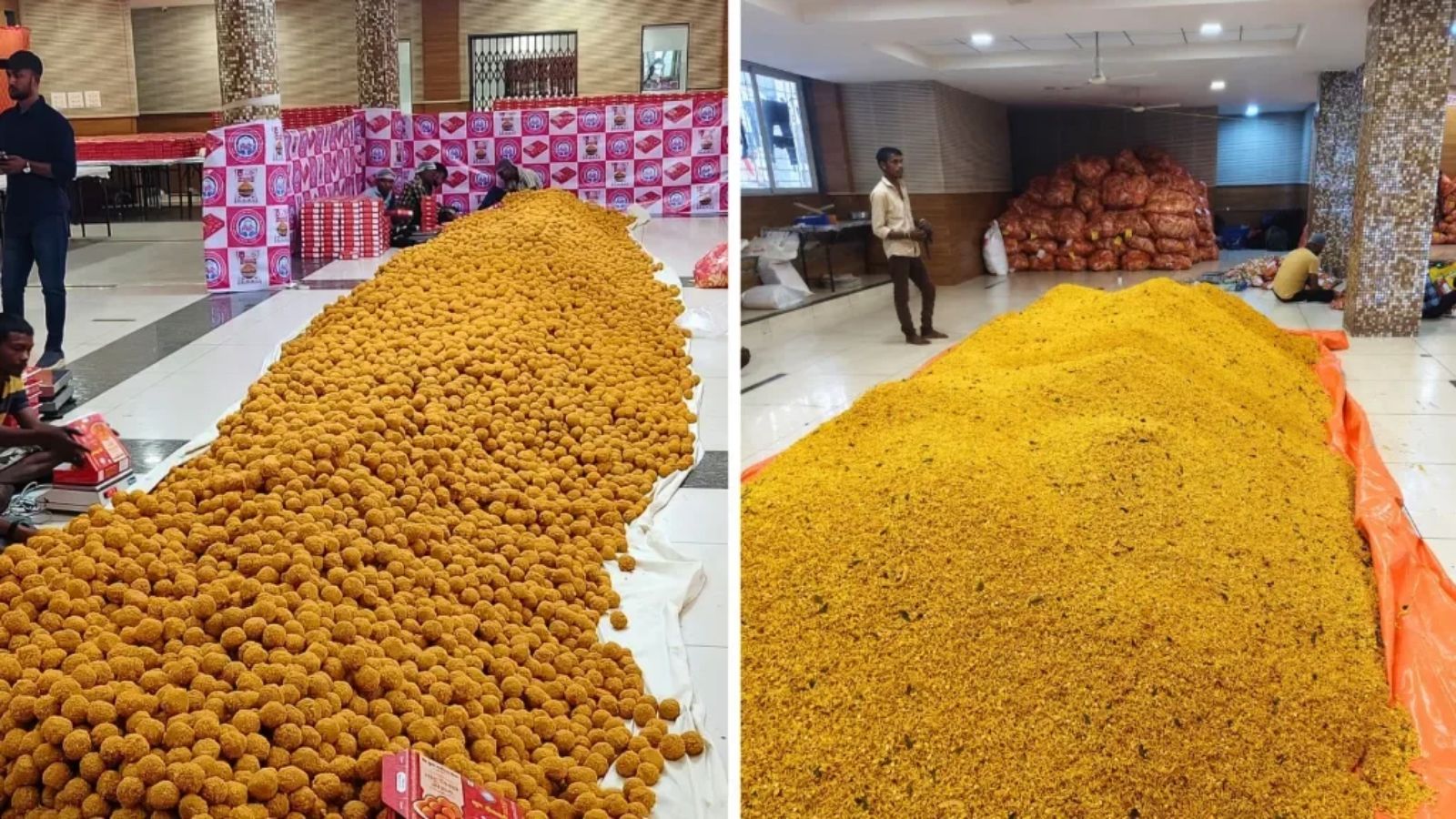
Ghee‑rich laddoos reappear during this period, reflecting the seasonal preference for sweet treats.
These changes demonstrate how festival timing aligns with agricultural cycles and regional food cultures.
Why It Matters
The article illustrates how traditional Indian festivals influence food choices, reflecting seasonal agricultural patterns. For Indian‑Americans, this highlights the cultural significance of timing in culinary traditions and the importance of sourcing appropriate produce during holiday celebrations, reinforcing a connection to home cuisine and seasonal awareness.
Oct 29, 2026 · Updated 10/30/2026, 3:56:16 AM · Reported with: The Hindu
Sources (1)
NRI Bytes writes its own articles from the reporting below.
The Hindu — How Indian festivals shape seasonal eating habitsUp next · Community
Diwali gifting 2026: Unique handcrafted finds from Indian design studios
Read next →