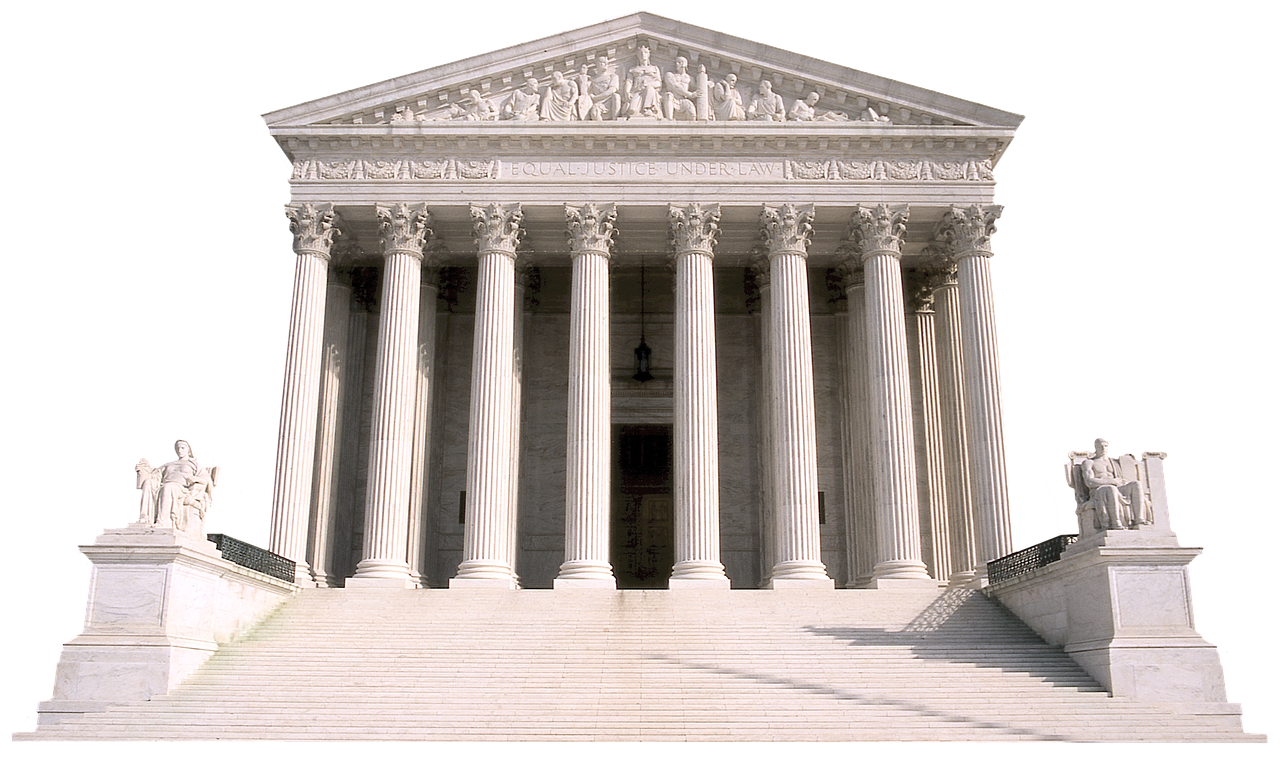
Photo: Siskind's Immigration Bulletin
US Supreme Court to Review Trump Administration Asylum Restrictions
TL;DR
- The U.S. Supreme Court agreed to hear a challenge to border asylum restrictions on November 13, 2026.
- The case, Mullin v. RAICES, centers on a proclamation issued by President Trump on January 20, 2025.
- Lower courts previously ruled the policy unlawful, but that decision is on hold while the case proceeds.
- The Supreme Court is expected to issue a decision by the end of June 2027.
The U.S. Supreme Court has agreed to review a legal challenge against the Trump administration's policy that limits asylum access for migrants arriving at the southern border. The justices will examine Mullin v. Refugee and Immigrant Center for Education and Legal Services (RAICES), focusing on Presidential Proclamation 10888 issued in January 2025.
The administration has defended the policy by pointing to provisions of the Immigration and Nationality Act that grant broad powers to suspend the entry of foreign nationals. Meanwhile, immigration-rights organizations contend that these executive powers do not supersede statutory provisions guaranteeing the right of individuals to apply for asylum regardless of their entry method.
Lower judicial levels, including a federal district court and the D.C. Circuit Court of Appeals, previously determined the policy was unlawful for bypassing congressional procedures. Although those rulings found the restrictions invalid, the appellate decision has been put on hold, leaving the limitations in effect while the Supreme Court reviews the matter.
The high court is set to evaluate two major questions regarding whether the president can shut down border asylum access and if federal courts maintain the authority to block such directives nationwide. Arguments are scheduled for the current term, with a final ruling anticipated by the end of June 2027.
Why It Matters
This case holds significant broader importance as it will determine the extent of presidential authority over immigration and whether executive orders can restrict statutory protections established by Congress. The outcome will shape how future administrations handle border policies and set crucial precedents regarding the power of federal courts to issue nationwide blocks on such measures.
Nov 17, 2026 · Updated 11/17/2026, 8:22:43 PM · Reported with: Siskind's Immigration Bulletin
Sources (1)
NRI Bytes writes its own articles from the reporting below.
Siskind's Immigration Bulletin — The Future of Asylum in America Is Now in the Supreme Court’s HandsUp next · Immigration
Seven Individuals Arrested Following Firearms and Narcotics Raid in Vaughan
Read next →