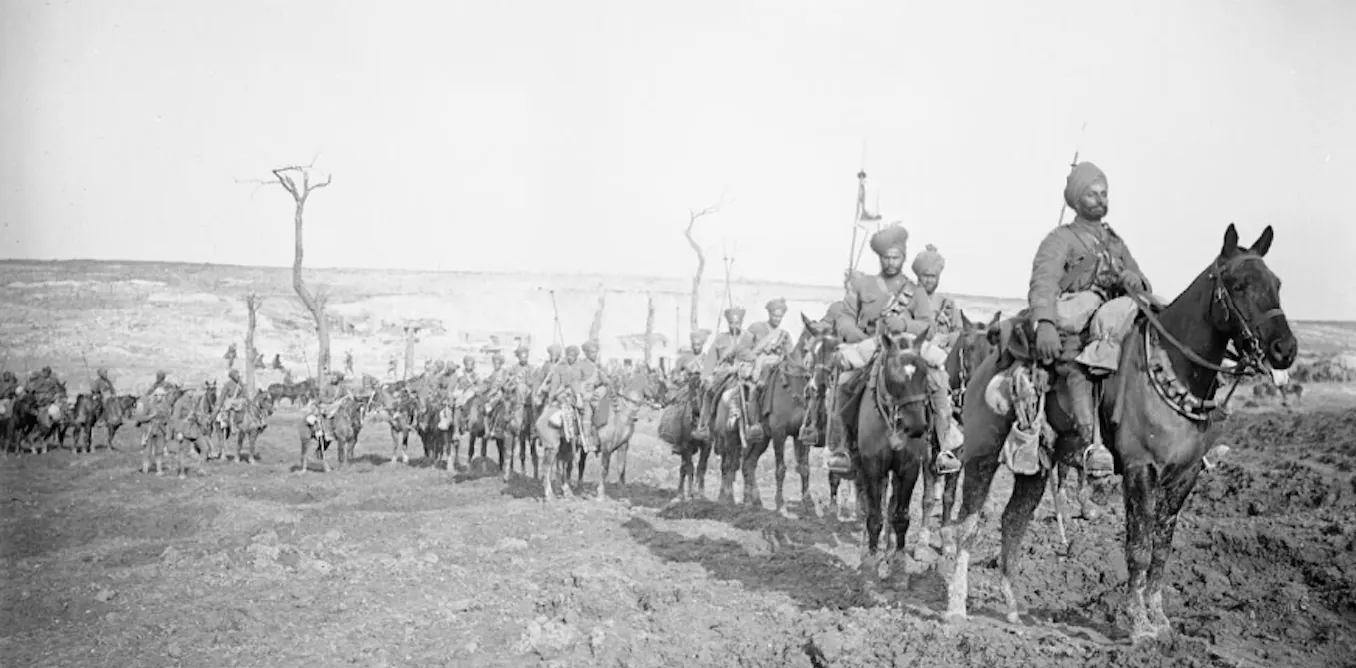
Photo: The Conversation Canada Education
Remembering the Forgotten Women of World War I in British India
TL;DR
- Traditional histories of the First World War often overlook the contributions and experiences of British India.
- About 60 percent of the Indian army came from Punjab by the start of the war.
- Many women in Punjab actively resisted the enlistment of their male family members.
- Women faced severe economic hardships, delayed remittances, and domestic struggles while men were at war.
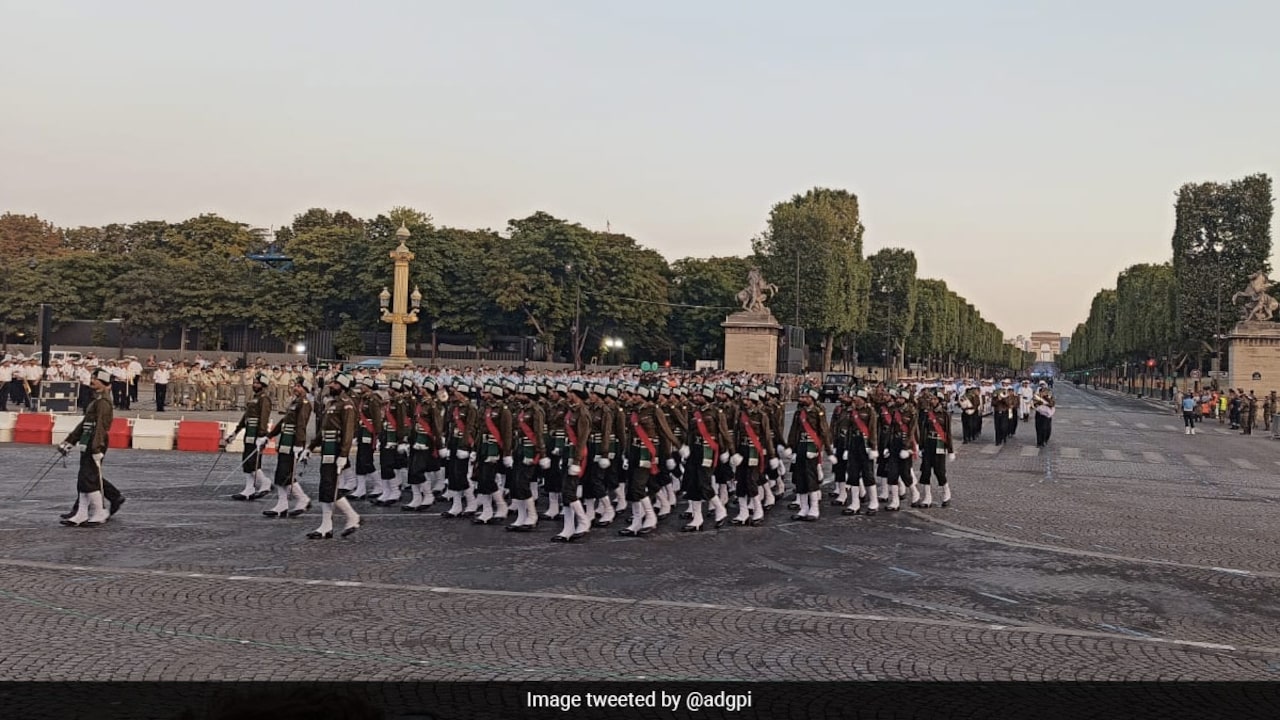
Historians note that roughly 1.4 million men from modern-day India, Pakistan, and Bangladesh fought for the British Empire during the First World War. While popular memory focuses heavily on military contributions, research shows that remembrance has historically been male-centric and overlooked the impacts on women.
Colonial authorities heavily targeted Punjab for recruitment, relying on the 'martial race theory' and offering land grants and cash rewards. However, this focus compounded existing patriarchal hierarchies and increased women's dependence on male landowners.
Archival evidence reveals that women in Punjab frequently opposed the war effort. Colonial reports from late 1914 noted that female relatives attempted to hinder recruitment, with some women tracking recruiting parties to dissuade potential soldiers and singing protest songs blaming the monarch.
Families left behind also faced severe financial strain due to delayed pay and allowances, forcing many women to pawn jewelry or beg for basic necessities. At the same time, some women used the wartime absence of their husbands to challenge domestic norms or flee with lovers, troubling colonial officials and absent soldiers alike.
Why It Matters
This history explores the gendered impacts of colonial recruitment and warfare in the Punjab region, highlighting how families and women from current-day India, Pakistan, and Bangladesh experienced the First World War. By examining archival letters and folk songs, the material broadens our understanding of remembrance beyond military combatants to include the perspectives of those left behind.
Nov 8, 2026 · Updated 11/8/2026, 3:43:52 PM · Reported with: The Conversation Canada Education
Sources (1)
NRI Bytes writes its own articles from the reporting below.
The Conversation Canada Education — How women bore the consequences of the First World War in British IndiaUp next · Students
Missouri Childcare Subsidy Waitlist Grows as Providers Struggle to Fill Classrooms
Read next →