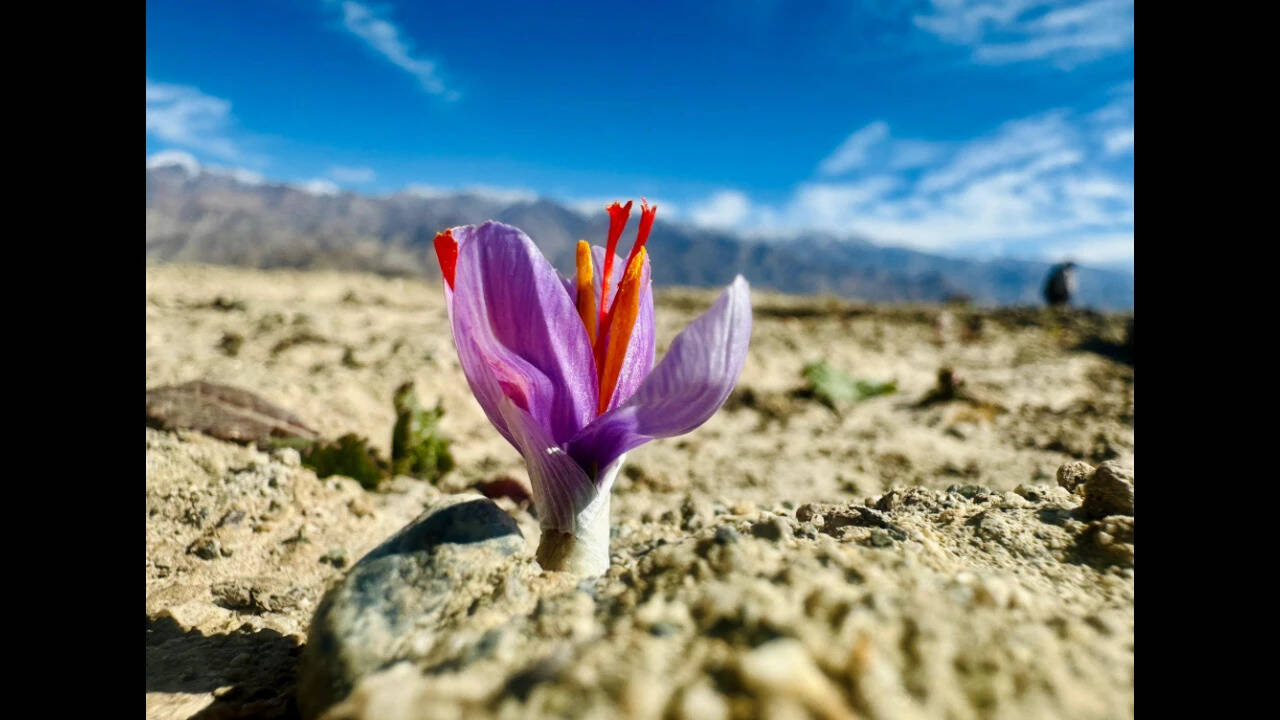
Photo: Times of India Travel
Saffron Cultivation Succeeds in Leh's Restored Land
TL;DR
- Experimental saffron farming in Leh produced blossoms in 30 days.
- Ladakh Lieutenant Governor Vinai Kumar Saxena shared the news on social media.
- Nearly 22 grams of pure saffron were collected over four days.
- Research highlights potential health benefits of saffron, including support for depression, anxiety, heart health, and eye health.
Experimental saffron cultivation on restored degraded land in Leh has produced blossoms in a record-breaking 30 days, faster than the typical two-month timeline. Ladakh's Lieutenant Governor Vinai Kumar Saxena inspected the field and announced the development on social media.
Authorities reported that an average of 20 to 25 flowers bloom daily, resulting in the collection of nearly 22 grams of pure saffron in just four days. Officials noted that the milestone highlights the potential of high-altitude farming in the region.
Often referred to as 'Red Gold' due to its high value, saffron is also associated with various health properties. Published research indicates potential benefits related to mood regulation, heart health, eye conditions, and neurodegenerative disorders.
Why It Matters
While Kashmir has historically been known as India's primary saffron bowl, successful high-altitude experimental farming in Leh demonstrates new agricultural potential in the region's restored degraded lands.
Nov 2, 2026 · Updated 11/2/2026, 6:43:08 AM · Reported with: Times of India Travel
Sources (1)
NRI Bytes writes its own articles from the reporting below.
Times of India Travel — Ladakh's Saffron experiment on restored barren land yields flowers in 30 days: Magical health benefits of consuming 'Red Gold' that costs more than goldUp next · Travel
How to help your toddler build focus, memory and problem-solving skills at home
Read next →
More stories

He spends nearly 1 month weaving one saree; Odisha's Prafulla Kumar Sahoo also trains women to earn

Odisha teacher turns home into museum with 1,000 antiques collected over 14 years
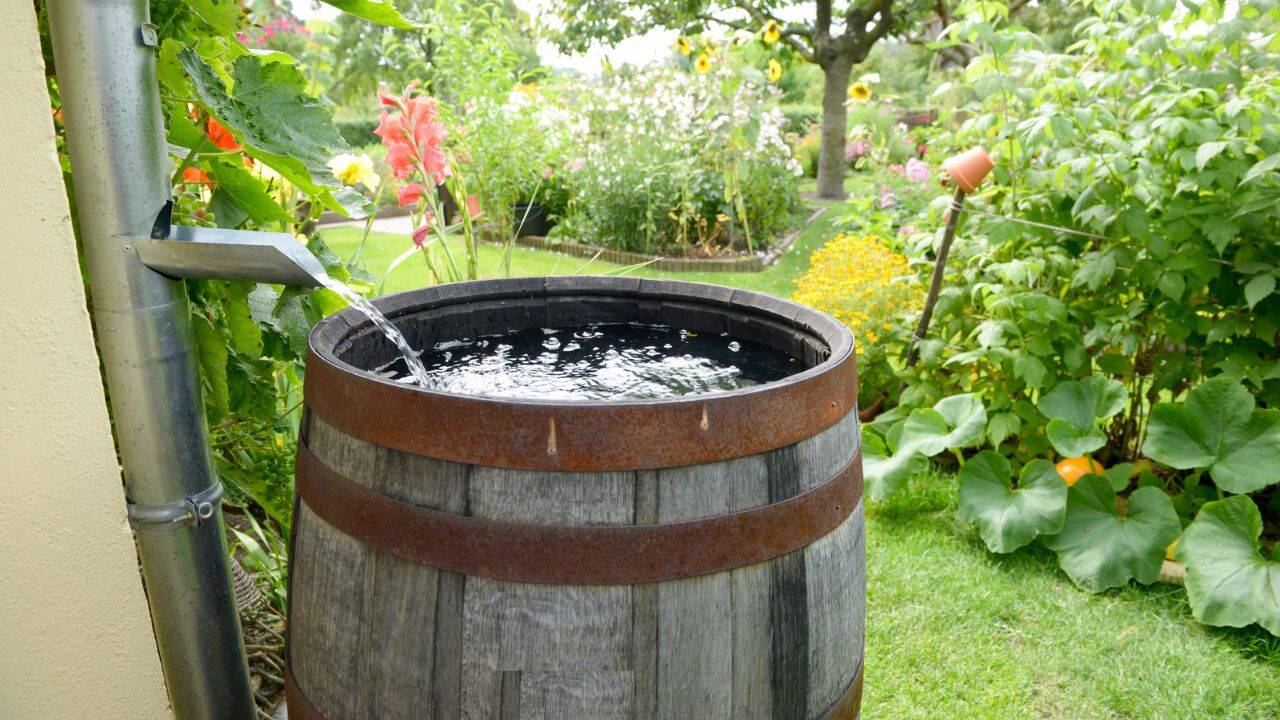
Hyderabad man builds 600+ rainwater systems after learning the work himself, helping homes save water